Hojicha vs Matcha: What's the Difference? (Caffeine, Taste & Uses)
What Is Hojicha?
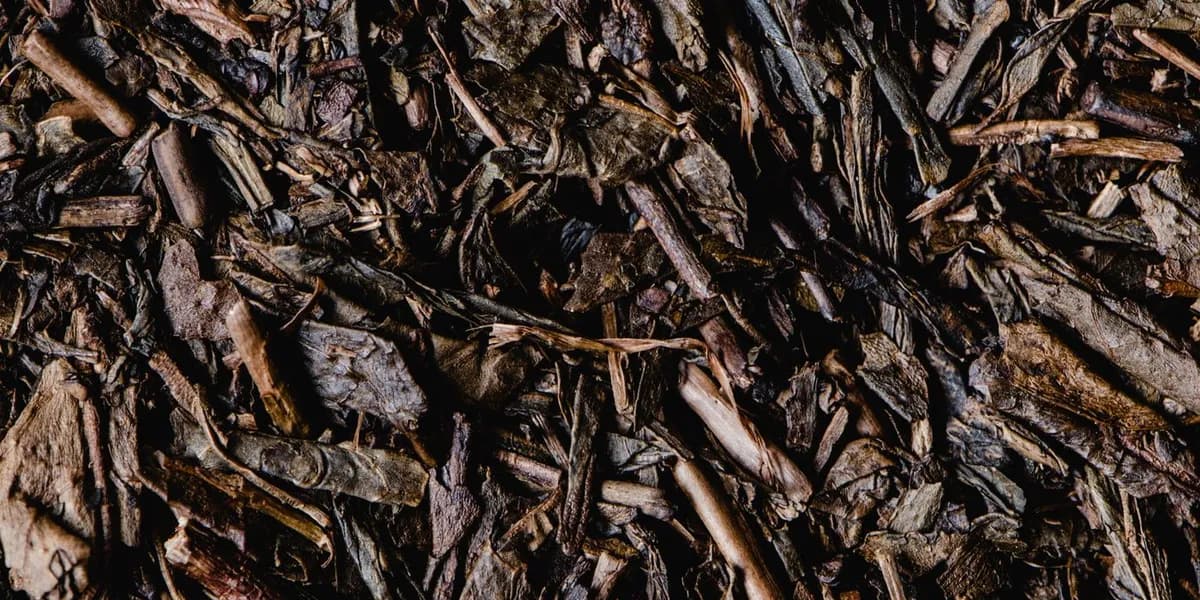
Hojicha (ほうじ茶) is a Japanese green tea made by roasting the leaves over high heat. The roasting turns the leaves a reddish-brown colour and gives hojicha its signature toasty, nutty aroma. It's usually made from later-harvest leaves, stems, and twigs, which makes it naturally mellow and low in bitterness.
Because roasting breaks down much of the caffeine, hojicha is one of the lowest-caffeine Japanese teas — a popular choice for the evening or for anyone sensitive to caffeine.
What Is Matcha?
Matcha is shade-grown green tea that's stone-ground into a fine powder. Instead of steeping the leaves and discarding them, you whisk the whole powdered leaf into water and drink it — so you get more caffeine, more L-theanine, and a vivid green colour with a rich, umami-forward taste. For a full primer, see our matcha powder guide.
Hojicha vs Matcha: The Key Differences
| Feature | Hojicha | Matcha |
|---|---|---|
| Type | Roasted green tea | Stone-ground green tea powder |
| Caffeine | Low (~7–20 mg per cup) | Higher (~60–80 mg per cup) |
| Colour | Reddish-brown | Vivid green |
| Taste | Toasty, nutty, mellow | Umami-rich, fresh, slightly sweet |
| Preparation | Steeped like tea | Whisked into water |
| Best time | Evening or anytime | Morning or afternoon |
Caffeine: The Biggest Difference
This is where the two teas split the most. A cup of matcha contains roughly 60–80mg of caffeine, while hojicha has only around 7–20mg — several times more, cup for cup.
Two things make hojicha so low: the high-heat roasting breaks down much of the caffeine, and hojicha is often made from stems and older leaves, which naturally contain less caffeine than the young buds used for matcha. If you love the green-tea ritual but want something you can drink after dinner, hojicha is the easy answer. Curious how much matcha is sensible in a day? See our guide to how much matcha per day.
Taste & Colour
Hojicha is warm, toasty, and nutty — closer to a roasted, almost caramel-like cup, with little to no bitterness and a brown, tea-like colour. Matcha is bright green, fresh, and vegetal, with the savoury umami and gentle sweetness that come from shade-growing.
How They're Made
- Hojicha: Green tea leaves and stems are roasted at high temperature until brown and aromatic.
- Matcha: Young leaves are shade-grown for 20–30 days, steamed, de-stemmed, and stone-milled into a fine powder.
The shade-growing step is what gives matcha its colour, caffeine, and umami — and it's also why matcha costs more to produce.
How to Prepare Each
- Hojicha: Steep loose leaves (or a tea bag) in hot water for about 30–60 seconds, then pour. It also makes a comforting latte.
- Matcha: Sift 1.5–2g, add about 70ml water at 80°C, and whisk in a W-motion until frothy. Full steps in our matcha latte recipe.
Which Should You Drink?
It's not really either/or — they suit different moments:
- Choose hojicha if you want something low in caffeine, gentle, comforting in the evening, or you simply prefer a roasted, mellow flavour.
- Choose matcha if you want a caffeine and focus boost earlier in the day, a vivid green colour, and that signature umami richness.
Both are genuine green teas with their own character. If you're just getting started with matcha, our beginner's guide walks you through the essentials — or explore our first-harvest ceremonial grade Ukiyo Kai.
Ready to taste the difference?
Experience ceremonial grade matcha sourced directly from Japanese tea farms.
Shop Ukiyo Matcha