Why Uji, Kyoto Produces the World's Finest Matcha
The Birthplace of Japanese Tea Culture
When tea connoisseurs talk about matcha, one name comes up more than any other: Uji. This small city in Kyoto Prefecture, nestled between the Uji River and the surrounding mountains, has been the heartland of Japanese tea for over 800 years.
But Uji's reputation isn't just historical. Today, it remains the gold standard for matcha quality — and the reasons are both geographic and cultural.
The Terroir Advantage
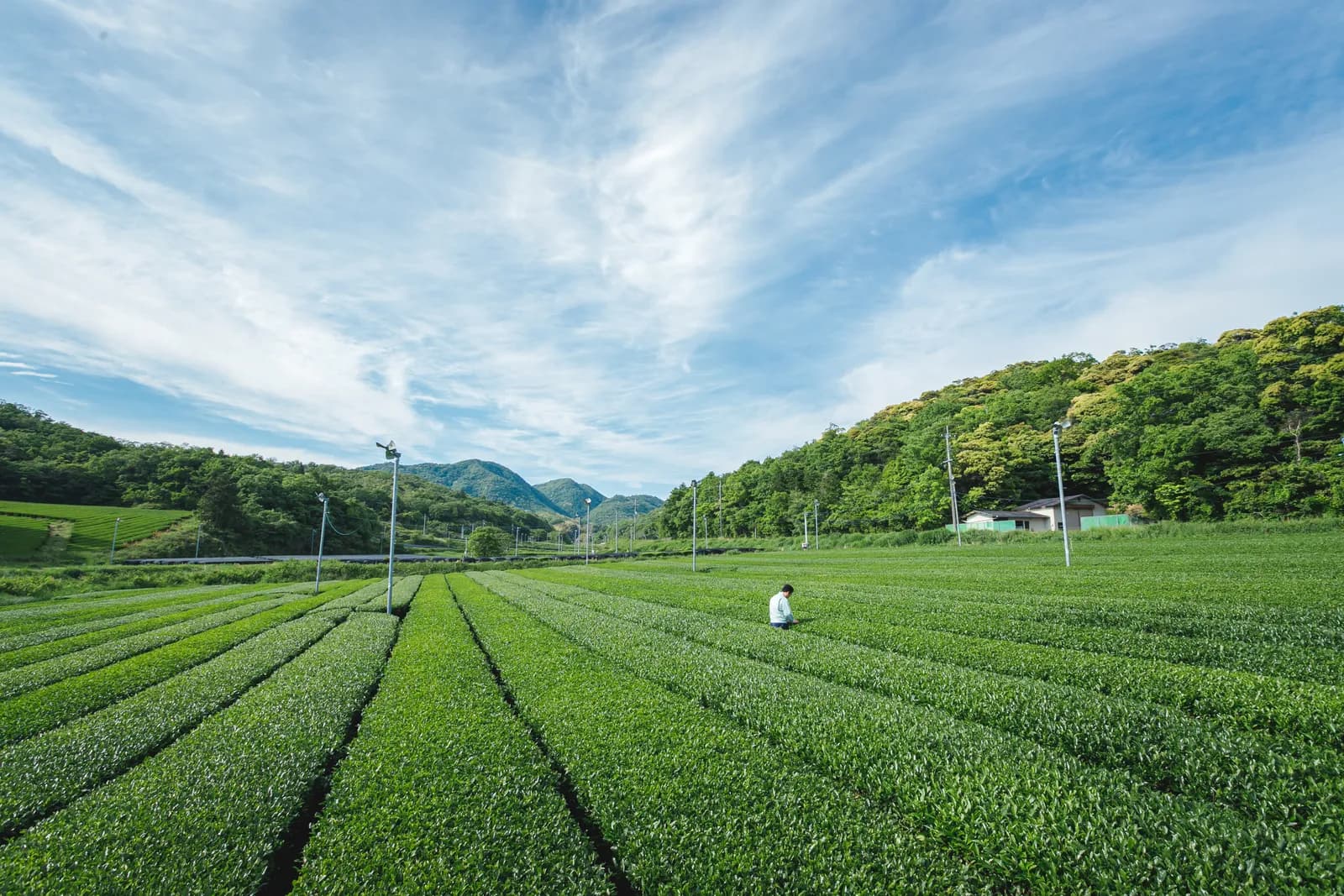
Uji's landscape creates near-perfect conditions for growing tea:
River fog. The Uji River generates a natural fog that settles over the tea fields in the early morning. This fog acts as a gentle, natural shade — softening sunlight before the formal shading canopies are even erected. The result is leaves with higher chlorophyll content and deeper green colour.
Temperature variation. The region experiences significant temperature differences between day and night. Cool nights slow the growth of tea leaves, concentrating amino acids (especially L-theanine) in each leaf. This is what gives Uji matcha its characteristic sweetness and umami depth.
Mineral-rich soil. The alluvial soil along the Uji River is rich in minerals deposited over centuries. These nutrients are absorbed by the tea plants and contribute to the complex flavour profile that distinguishes Uji matcha from other regions.
Altitude and drainage. Tea fields on the gentle slopes surrounding Uji benefit from excellent drainage, preventing waterlogging while maintaining consistent moisture levels.
Eight Centuries of Craft
Uji's technical advantage is inseparable from its cultural one. The techniques developed here over 800 years have been refined to an extraordinary degree:
Shading mastery. Uji farmers pioneered the tana shading technique — erecting structures over the tea fields and covering them with straw and reed screens. This blocks 85–90% of sunlight for 20–30 days before harvest, forcing the plant to produce more chlorophyll and L-theanine. The precise timing and percentage of shade coverage is a closely guarded skill, passed down through generations.
Tencha processing. After harvest, leaves destined for matcha are steamed, dried, and sorted into tencha — the raw material for matcha. Uji processors are renowned for their skill in this step, particularly in removing stems and veins while preserving the most flavourful parts of the leaf.
Stone milling. Uji is home to many of Japan's finest stone mills. These granite mills rotate slowly — grinding just 30–40 grams per hour — to avoid generating heat that would damage the delicate flavour compounds. The particle size (around 5–10 microns) determines the smoothness of the final product.
The Uji Designation
Not every tea labelled "Uji matcha" meets the same standard. The Uji Tea Cooperative defines Uji tea as tea grown in Kyoto, Nara, Shiga, or Mie Prefectures and processed by a Kyoto-based manufacturer using traditional techniques. This designation protects the name and ensures a baseline of quality — but within this category, there's still enormous variation.
The best Uji matcha comes from small farms that control every step from cultivation to milling. These are the farms we work with at Ukiyo Matcha.
Our Uji Connection
Our Kai (開) matcha is sourced from Uji, Kyoto Prefecture. We work directly with the farmers — not through brokers or trading companies. This direct relationship means we can select specific harvests based on taste, colour, and texture, rather than accepting whatever a middleman sends us.
When you open a pack of Ukiyo Kai, you're tasting a place: the river fog, the mineral soil, the centuries of accumulated craft. That's what terroir means in matcha, and Uji has it in abundance.
Beyond Uji: Shimane's Hidden Gem
While Uji gets most of the attention, other regions of Japan produce exceptional matcha. Our Kiwami (極み) comes from Izumo in Shimane Prefecture — a region with its own distinctive terroir. The mineral-rich soil there produces a matcha with deeper umami and a more robust body compared to the elegant refinement of Uji.
Different regions, different characters — but the same uncompromising commitment to quality. That's what defines Japanese matcha at its best.
From the fields this article is about
Ukiyo Kai is single-cultivar Yabukita from Uji, Kyoto — first harvest only, stone-milled, sourced direct from the region described above.
Shop Uji Matcha