Matcha vs Coffee: Which One Should You Drink?
The Daily Energy Decision
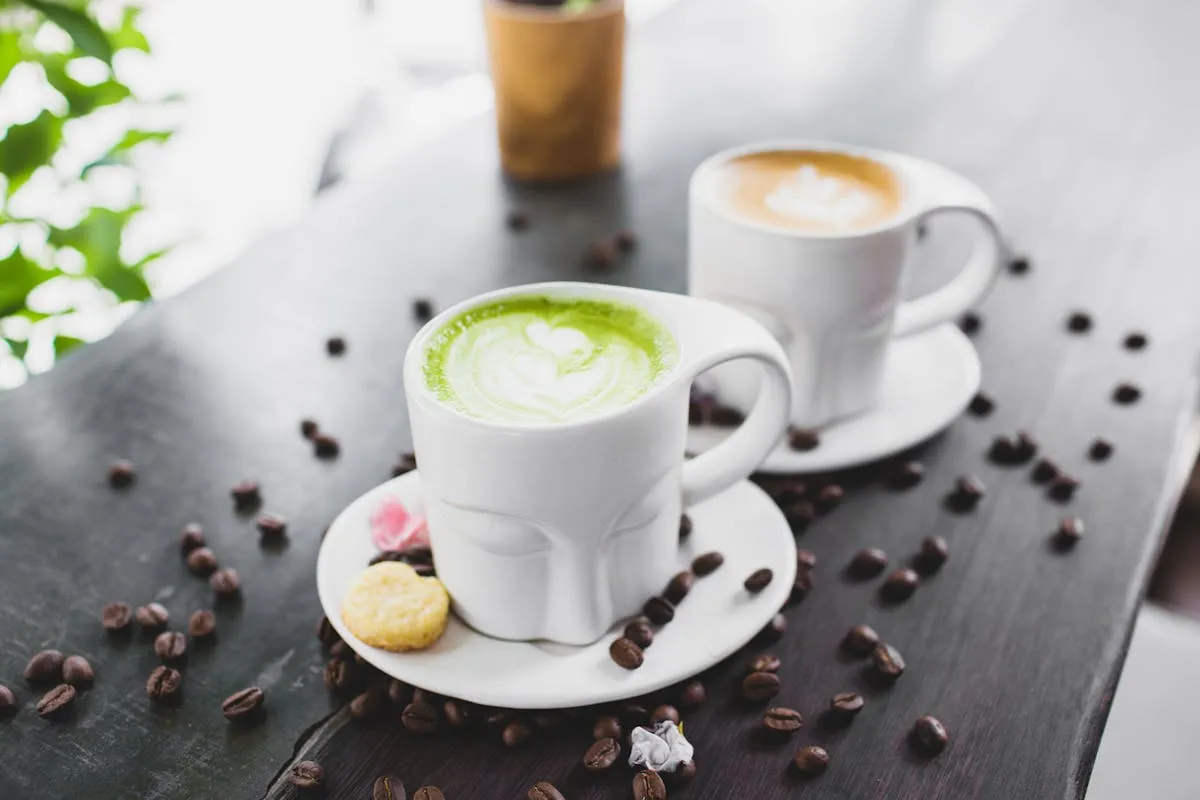
For millions of people, the morning starts with one question: what do I drink to wake up? Coffee has dominated this ritual for decades. But matcha — the finely ground green tea powder that Buddhist monks have used for centuries — is emerging as a serious alternative. Not because it's trendy, but because the energy it provides is fundamentally different.
Caffeine: Not Just About the Amount
A typical cup of coffee contains 80–120mg of caffeine. A standard cup of matcha (2g) has around 40–70mg, though a matcha latte (3–5g) can contain 60–130mg. On paper, the amounts can be similar. But caffeine content alone doesn't tell the whole story.
Matcha contains L-theanine, an amino acid that modulates how caffeine affects your brain. L-theanine promotes alpha brain wave activity — the same pattern associated with calm focus and meditation. The result is what many describe as "alert calmness": you feel awake and focused, but without the jitters, anxiety, or crash that coffee can cause.
Coffee delivers caffeine in a spike — fast absorption, quick peak, steep decline. Matcha delivers it as a plateau — gradual onset, sustained level, gentle fade. Most people report 4–6 hours of steady energy from a single cup of matcha.
The Crash Factor
If you've ever felt irritable, fatigued, or unfocused 2–3 hours after your morning coffee, you've experienced a caffeine crash. This happens because coffee stimulates cortisol (your stress hormone) and adrenaline, creating a fight-or-flight energy burst that inevitably fades.
Matcha largely avoids this. The L-theanine counterbalances cortisol stimulation, and the slower caffeine release means no sudden drop. Many people who switch from coffee to matcha say the most noticeable difference isn't the energy itself — it's the absence of the crash.
Health Benefits Compared
Both coffee and matcha have well-documented health benefits. But matcha has one structural advantage: because you consume the entire leaf (not just a brew), you get a significantly higher concentration of beneficial compounds.
Antioxidants: Because you consume the whole leaf, matcha delivers significantly more antioxidants than brewed green tea or coffee. The star compound is EGCG (epigallocatechin gallate), a catechin linked to reduced inflammation and cellular protection.
Metabolism: Both coffee and matcha can boost metabolic rate. Studies on green tea catechins suggest they may enhance fat oxidation during exercise.
Dental health: Coffee stains teeth and is highly acidic (pH 4.5–5). Matcha is less acidic (pH ~6–6.5) and contains compounds that may actually inhibit the bacteria responsible for cavities and bad breath.
Gut health: Coffee can irritate the stomach lining, especially on an empty stomach. Matcha is gentler and less acidic.
Cost Per Cup
Here's where it gets interesting for daily drinkers:
| Coffee (Café) | Coffee (Home) | Matcha (Café) | Matcha (Home) | |
|---|---|---|---|---|
| Cost per cup | RM10–18 | RM2–4 | RM15–22 | ~RM5–8 |
Making matcha at home is roughly the same cost as home-brewed specialty coffee — but far cheaper than buying either at a café. A 50g pack of ceremonial matcha makes approximately 10–16 cups depending on preparation (3–5g per serve).
The Ritual Difference
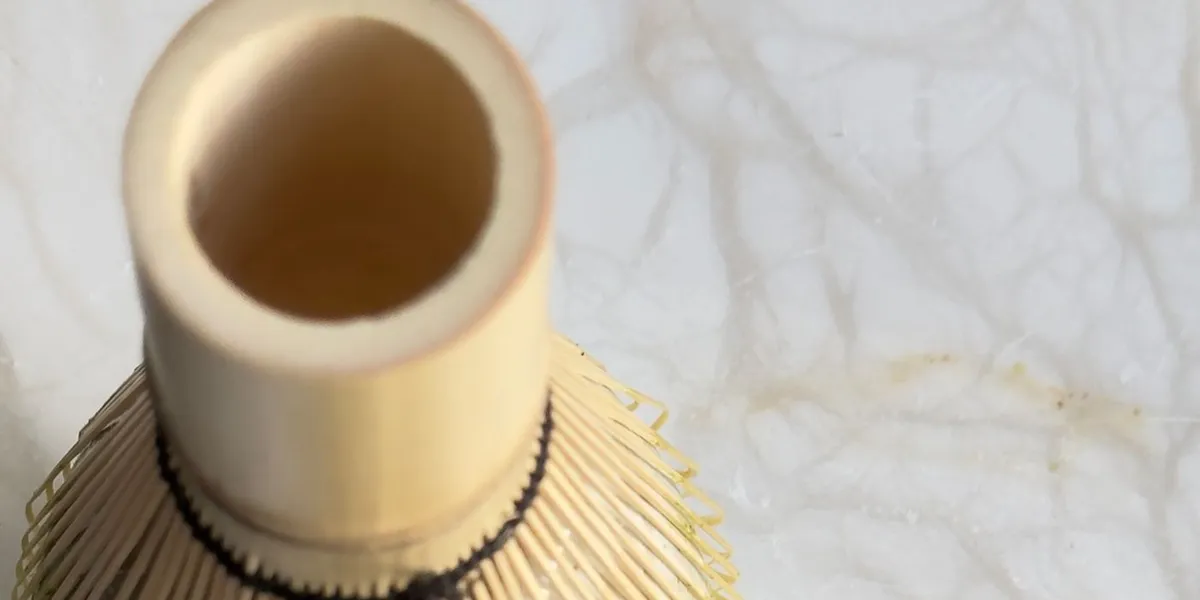
There's something worth mentioning beyond the chemistry: the ritual. Making coffee can be meditative in its own way — grinding beans, watching the pour-over drip. But matcha's preparation is inherently intentional. Sifting the powder, heating the water to exactly 80°C, whisking with a bamboo chasen until the surface is covered in fine froth. It takes 90 seconds and demands your full attention.
In Japanese tea culture, this preparation is a form of mindfulness — a deliberate pause before the day begins. For many people, that ritual becomes the real reason they stay with matcha.
The Honest Answer
We're a matcha brand, so we're biased. But here's the truth: coffee is a wonderful drink. If you love coffee and it works for you, keep drinking it.
Matcha is worth trying if you experience coffee crashes and jitters, want sustained focus for deep work, are looking for a gentler morning ritual, or simply want to try something different.
The best approach? Try matcha for a week. Not as a replacement, but as an alternative for certain days or times. Most people who stick with matcha don't quit coffee entirely — they find a rhythm between the two.
If you are making the switch
Ukiyo Kai is first-harvest ceremonial grade from Uji, Kyoto. Start with one bowl where the morning coffee currently sits.
Shop Ceremonial Matcha