Ceremonial vs Culinary Matcha: What's the Real Difference?
What Makes Matcha "Ceremonial Grade"?
Walk into any grocery store or scroll through Shopee, and you'll find dozens of products labelled "matcha." But the quality difference between a RM15 packet and a RM80 packet isn't just marketing — it comes down to how the tea is grown, harvested, and processed. If you're not sure what to look for, start with our matcha powder buyer's guide.
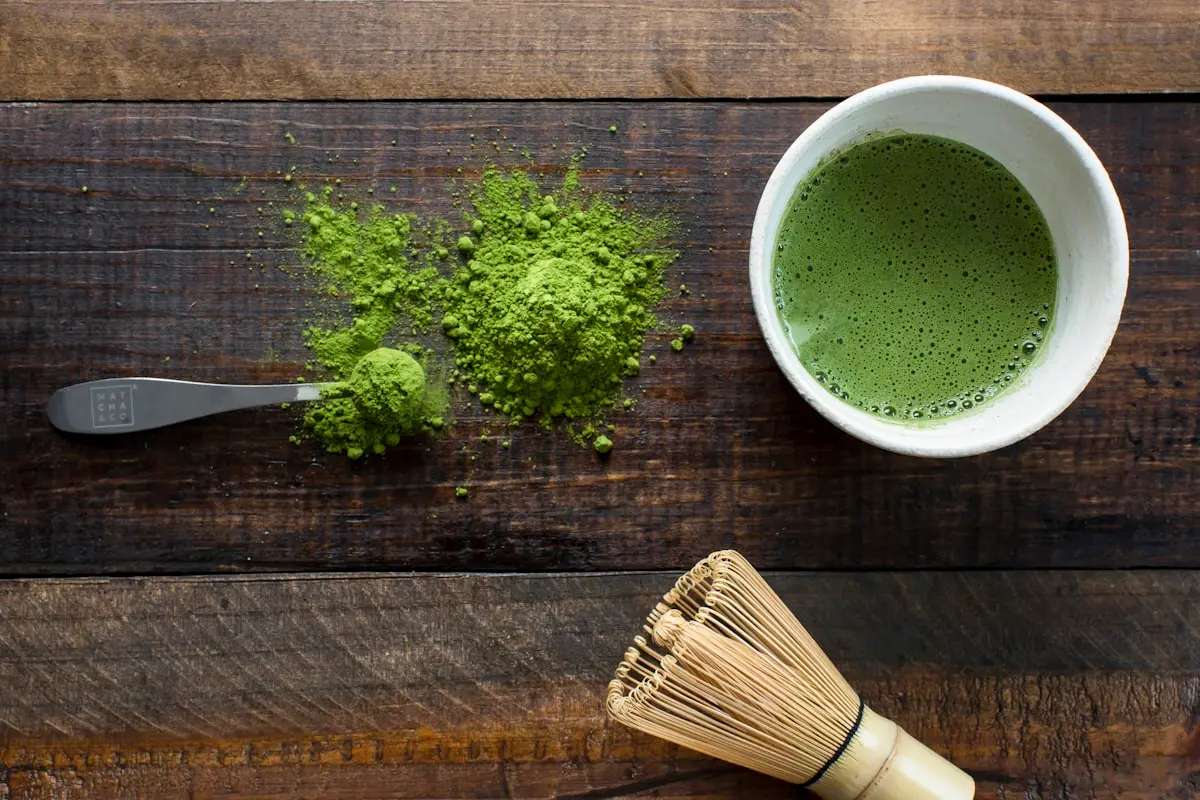
Ceremonial grade matcha is the highest quality matcha available. It's made from the youngest tea leaves at the top of the plant, harvested during the first flush in spring. These leaves are shade-grown for 20–30 days before harvest, which increases chlorophyll and L-theanine content — giving the powder its vibrant green colour and smooth, umami-rich flavour.
After harvest, the stems and veins are removed, and only the softest leaf tissue (called tencha) is stone-milled into an ultra-fine powder. A single stone mill produces just 30–40 grams per hour. This slow, careful process preserves the delicate flavour compounds that make ceremonial matcha special.
How Culinary Grade Differs
Culinary grade matcha is made from older leaves, often harvested later in the season. The shading period may be shorter, and the processing is less meticulous. The result is a powder that's:
- More bitter and astringent in taste
- Duller or yellowish-green in colour
- Coarser in texture
- Significantly cheaper to produce
This doesn't make culinary matcha "bad" — it's perfectly fine for baking, smoothies, and recipes where other flavours dominate. But if you're drinking matcha straight (as usucha) or making a simple matcha latte where the tea is the star, ceremonial grade is the clear choice.
The Taste Test
The easiest way to tell the difference is simply to taste them side by side:
Ceremonial grade: Smooth, naturally sweet, rich umami, no bitterness, creamy froth when whisked. The aftertaste is clean and lingering.
Culinary grade: Noticeably bitter, thin body, grassy or flat flavour. The aftertaste can be harsh.
What About "Premium" Grade?
Some brands use a middle category called "premium" or "latte grade." This isn't an official classification — it's a marketing term. The tea may be better than typical culinary grade but doesn't meet the standards of true ceremonial matcha. When in doubt, look at the colour (vibrant green = better), the price (genuine ceremonial matcha costs more to produce), and the origin (Japanese regions like Uji and Shimane are known for quality).
How to Spot Fake Ceremonial Grade
Unfortunately, there's no universal regulation for matcha grading. Some sellers label culinary matcha as "ceremonial" to justify a higher price. Here's what to look for:
Colour: True ceremonial matcha is a vivid, bright green — almost electric. If it looks dull, olive, or brownish, it's not ceremonial.
Texture: Rub a pinch between your fingers. Ceremonial matcha feels silky and fine, like eyeshadow. Culinary matcha feels gritty.
Origin transparency: Reputable brands tell you exactly where their matcha comes from — the region, and ideally the farm or cooperative. Vague labels like "product of Japan" without specifics are a red flag.
Price: Genuine ceremonial grade matcha from Japan typically costs RM60–120 for 30–50g. If it's significantly cheaper, question the grade.
Our Approach
At Ukiyo Matcha, our Kiwami (極み) is premium ceremonial grade and our Kai (開) is ceremonial grade — both first-harvest only, sourced directly from tea farms in Shimane and Kyoto with no middlemen. We know the farmers, we visit the fields, and we select each harvest personally. That's a level of transparency most brands can't offer.
Ceremonial grade, first harvest only
Ukiyo Kai is first-harvest leaf with the stems and veins removed, stone-milled — the process described above. No culinary grade in the range.
Shop Ceremonial Grade